0
The Benefits of Educational Toys for Child Development
August 12, 2025
The Benefits of Educational Toys for Child Development
Why Educational Toys Matter
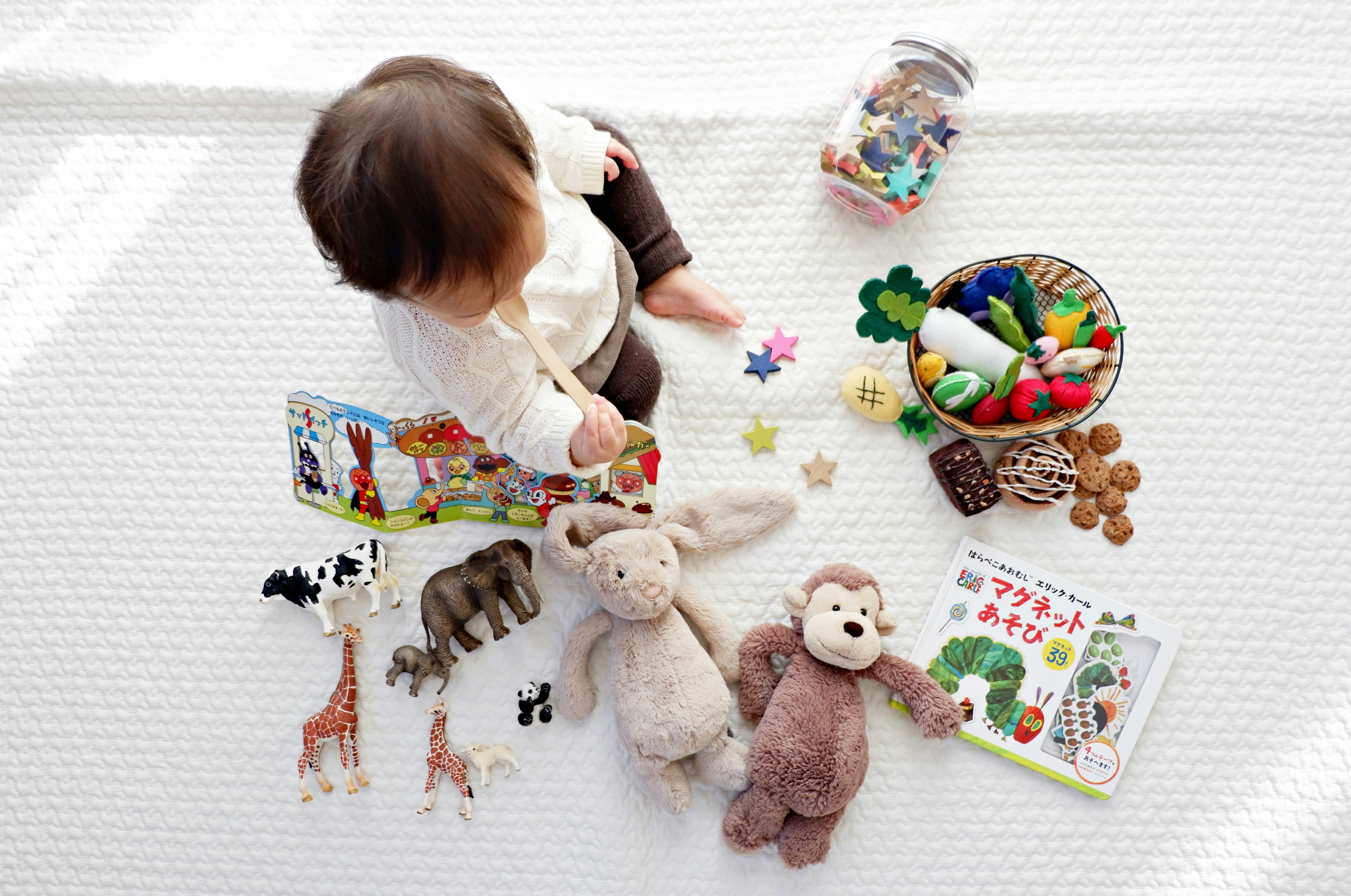
Educational toys for kids are integral to fostering their growth and development, serving as tools that enhance not only learning but also essential life skills. Engaging with these toys allows children to explore their environment, encourage creativity, and stimulate critical thinking. When children play with educational toys, they are not just having fun; they are engaging in activities that improve their cognitive, social, and emotional development.
One of the core benefits of educational toys is their ability to promote cognitive skills. These toys often require problem-solving, which enhances logical reasoning and critical thinking. Puzzles, building blocks, and games that require strategy encourage children to think ahead, plan their actions, and develop problem-solving techniques. By interacting with these toys, children are effectively bridging the gap between play and learning, allowing them to acquire knowledge naturally while enjoying the process.
Furthermore, educational toys facilitate social interaction, particularly in group settings. When children play together, regardless of the specific toys, they learn valuable social skills such as sharing, cooperation, and empathy. Engaging in cooperative play or friendly competition can enhance their social development, making it easier for them to form relationships with peers. Educational toys that foster teamwork are particularly beneficial in teaching children how to work together towards a common goal, building essential communication skills that will aid them throughout their lives.
The emotional benefits of educational toys for kids should also not be underestimated. These toys can boost self-esteem and confidence as children achieve milestones in their play. When they master a skill, such as completing a challenging puzzle or building a complex structure, they experience a sense of accomplishment, which fosters a positive self-image. Ultimately, the lessons learned from playing with educational toys extend beyond childhood, laying the groundwork for a lifelong love of learning and personal growth.
Skills Boosted by Play
Engaging with educational toys for kids serves as a fundamental approach to nurturing various developmental skills. Playtime not only provides entertainment but is also an essential conduit for learning. One of the primary skills enhanced through play is fine motor skills. Toys such as building blocks, puzzles, and art supplies encourage children to grasp, manipulate, and construct, thus improving their hand-eye coordination and dexterity.
In addition to fine motor skills, problem-solving abilities are greatly augmented during play. Educational toys like logic games, science kits, and strategy board games present challenges that foster critical thinking. For example, a child working on a science experiment learns to hypothesize and troubleshoot, ultimately gaining resilience and analytical skills necessary for future academic pursuits.
Moreover, creativity is another area that thrives through interaction with educational toys. Toys that encourage imaginative play—such as dolls, action figures, or craft kits—allow children to express their ideas and storytelling abilities. This creativity not only enhances cognitive development but also lays the groundwork for innovation in later stages of life.
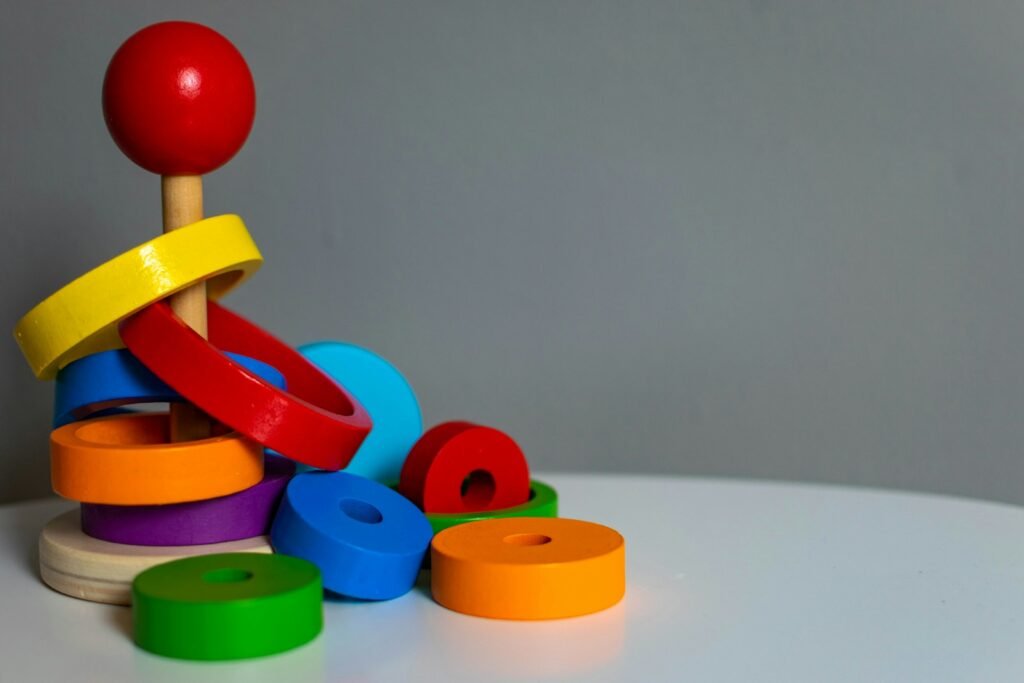
Social skills are equally bolstered through collaborative play with educational toys. Team-based games or group activities requiring cooperation promote communication and teamwork. From playing with building blocks in a group setting to engaging in role-playing scenarios, children learn valuable lessons about sharing, empathy, and negotiation.
Finally, language development is significantly enhanced as children engage with educational toys. Storybooks, language games, and even interactive electronic toys encourage vocabulary expansion and conversational skills. Children often repeat phrases or describe their actions, thus reinforcing their language capabilities. Research consistently supports the notion that play with educational toys directly correlates with improved developmental milestones, making it imperative for caregivers to incorporate these learning tools into daily activities.
Understanding Age-Appropriate Toy Choices
Selecting educational toys for kids that correspond to their developmental stages is crucial for optimal growth and learning. Each age group showcases specific milestones that influence the type of play and educational engagement a child requires. For infants, which typically includes ages 0 to 12 months, toys that stimulate sensory exploration are ideal. Rattles, soft blocks, and brightly colored mobiles not only engage a baby’s senses but also encourage motor skill development.
As children progress into the toddler stage, from 1 to 3 years, their cognitive and physical abilities expand significantly. At this stage, educational toys that promote problem-solving and social skills become essential. Toys such as shape sorters, stacking blocks, and interactive books can help toddlers understand basic concepts, while also fostering important skills such as counting, language development, and cooperation. These types of toys provide opportunities for imaginative play, which is vital for cognitive growth.
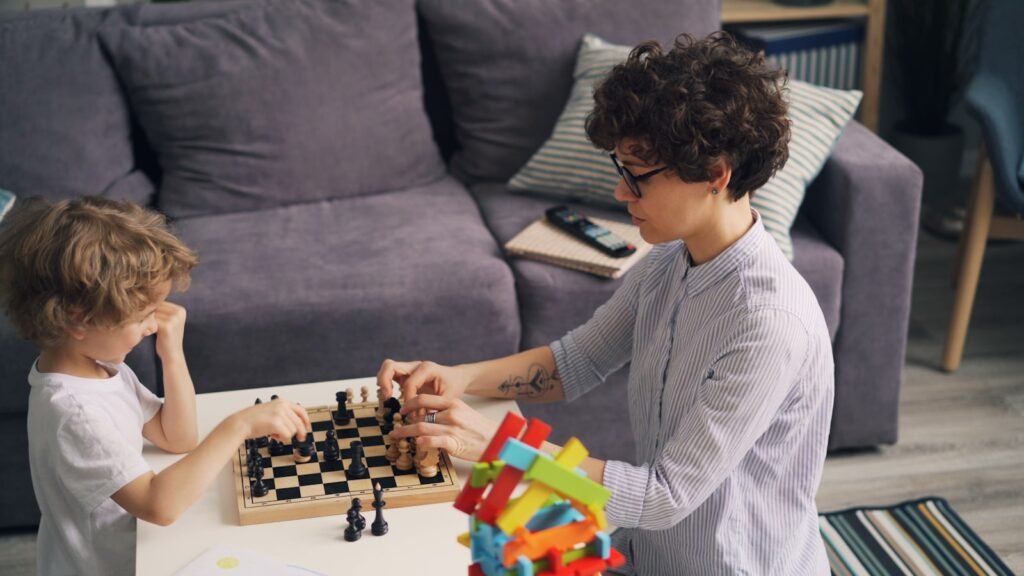
Preschool-aged children, typically between ages 3 and 5, require toys that further enhance their creativity and fine motor skills. Options like art supplies, building sets, and simple board games are excellent choices. These toys not only align with their developmental milestones but also allow children to explore more complex ideas, such as strategic thinking and cooperative interactions with peers. During this period, educational toys that encourage storytelling or role-play can also support their emotional and social development.
Ultimately, understanding and matching educational toys for kids with their specific developmental needs ensures that playtime is not only enjoyable but also beneficial. Parents and caregivers must pay attention to these milestones and choose toys accordingly to facilitate meaningful learning experiences. This tailored approach to toy selection can foster a lifelong love for learning and creativity in children.
How to Combine Fun and Learning
Combining fun and learning is essential in maximizing the benefits of educational toys for kids. Parents and educators can adopt various strategies to ensure that playtime remains engaging and instructive. A key aspect of this balance lies in recognizing the value of both structured play and free exploration. Structured play activities, guided by adults, can provide focused learning opportunities. For instance, when using building blocks, parents can set challenges that encourage children to experiment with concepts such as balance, symmetry, and spatial awareness. However, allowing children to explore freely with the same toys can stimulate their natural curiosity and creativity, contributing to independent learning.
To further stimulate a child’s interest in learning, parents can introduce themes related to everyday life using educational toys. For example, incorporating math concepts during cooking activities with measuring cups or encouraging literacy skills through story-related playsets can enhance a child’s understanding by linking play to real-world scenarios. This thematic approach not only makes learning relevant but also fosters deeper engagement with the materials.
Facilitating engaging educational activities requires thoughtfully selecting toys that align with children’s interests and developmental stages. It is crucial to observe how children interact with different toys and identify which types incite their curiosity. Once identified, parents can create playful challenges tailored to those interests, promoting critical thinking and problem-solving. For instance, a science-themed toy can lead to a mini-experiment that harnesses the child’s enthusiasm while simultaneously integrating educational content.
Finally, incorporating routine reflection can deepen the educational experience. After playtime, discussions about what was learned or the challenges faced can reinforce and solidify understanding. Engaging in this manner ensures that educational toys for kids serve their purpose, fostering both knowledge and joy in learning. In doing so, the fundamental goal remains: to create a harmonious environment where fun and learning go hand in hand.
Choosing Sustainable Options
In today’s world, making conscious choices regarding the products we purchase is imperative, especially when it comes to educational toys for kids. Opting for sustainable and eco-friendly toys not only affects a child’s development but also promotes environmental responsibility. Sustainable toys are typically made from natural materials such as wood or organic cotton, which are less harmful to the environment compared to plastic alternatives. By selecting these options, caregivers can instill values of compassion and mindfulness in children.
The production process of educational toys for kids plays a critical role in their environmental impact. Ethical manufacturing processes ensure that labor practices are fair and that the materials used are sourced responsibly. By supporting companies that prioritize eco-friendly practices, consumers can contribute to a market that respects both people and the planet. Furthermore, choosing sustainably produced toys with minimal packaging can reduce waste and encourage children to understand the importance of sustainability from a young age.
Durability is another significant advantage of sustainable educational toys. Many eco-friendly options are designed to last longer than conventional plastic toys, thereby minimizing the cycle of consumption and disposal. This longevity not only provides better value for money but also teaches children the importance of taking care of their belongings and understanding the concept of longevity in products, fostering a sense of responsibility towards their possessions.
Ultimately, investing in eco-friendly educational toys for kids can have far-reaching benefits. These toys not only provide an avenue for learning and play but also serve as a catalyst for teaching children about the environment. By making informed choices and prioritizing sustainability, caregivers can help cultivate a generation that respects and values the planet, setting the groundwork for a healthier world.
