0
Fun and Educational Play Ideas for Home
August 12, 2025
Fun and Educational Play Ideas for Home
Indoor Learning Games
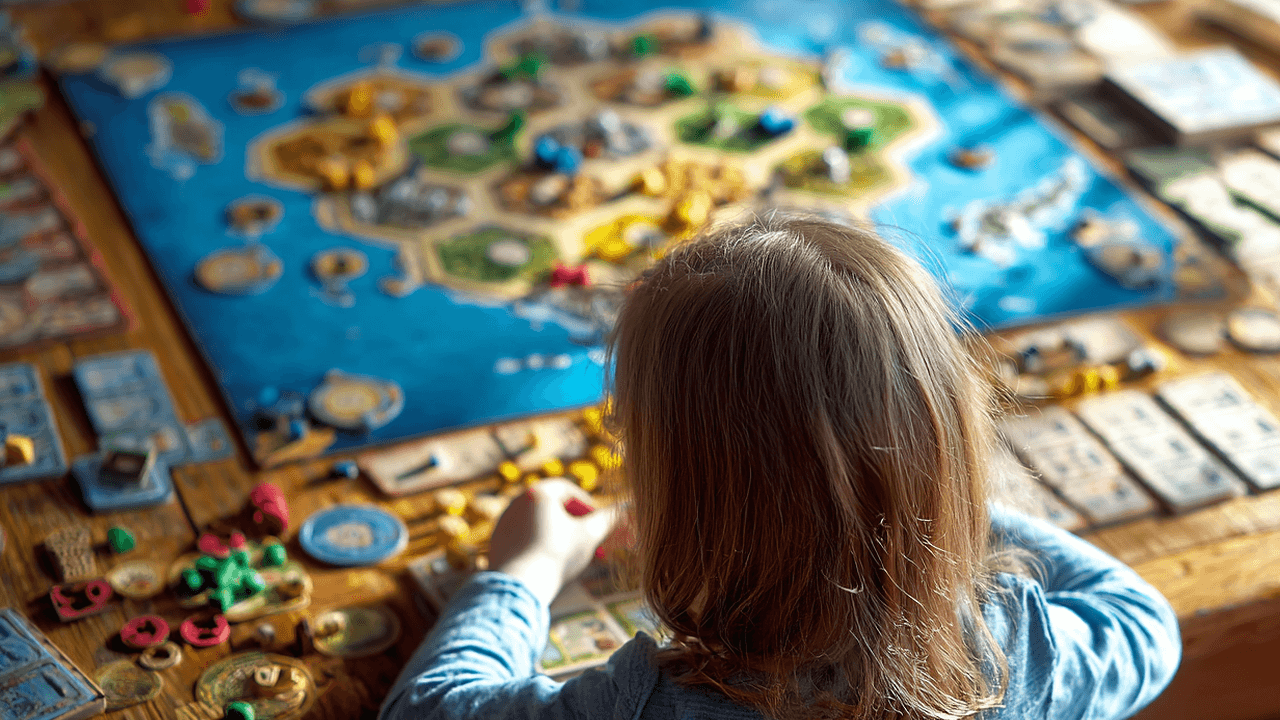
Indoor play offers a unique opportunity for educational play at home, making learning both engaging and enjoyable for children. A variety of games are available that seamlessly blend fun and education. Educational board games, such as Scrabble, not only enhance vocabulary but also foster strategic thinking. Similarly, games like Monopoly introduce basic financial literacy and math skills, while also incorporating elements of critical thinking.
Card games serve as an excellent medium for educational play at home as well. For instance, games like Uno can be adapted to teach colors and numbers, while traditional counting card games can enhance numeracy skills. Incorporating age-appropriate variations ensures that children remain engaged and challenged, catering to their unique developmental stages. Families can also incorporate science-themed card games that encourage children to learn about biology or chemistry in a fun way.
Digital platforms have introduced a plethora of interactive online games tailored to different subjects. Websites like ABCmouse and Khan Academy Kids offer a range of educational games that focus on subjects from math to language arts. These tools can be particularly beneficial for reinforcing what children learn in school, providing a supplementary resource that complements traditional educational methods. Furthermore, many of these games allow for adjustable difficulty levels, ensuring that children of varying ages and skill levels can participate.
Crucially, adapting traditional games for educational purposes can enhance their effectiveness. For example, a classic game like charades can be modified to focus on vocabulary words or historical figures, making it not only entertaining but also intellectually stimulating. By emphasizing engagement and interaction during these activities, parents can create a vibrant learning environment, maximizing the benefits of educational play at home. In conclusion, the integration of various learning games offers an effective approach to making education enjoyable and accessible within the home setting.
DIY Educational Activities
Engaging children in educational play at home can be both enjoyable and beneficial for their development. Various do-it-yourself activities can be created using everyday materials, promoting creativity and learning simultaneously. These activities often focus on STEM (science, technology, engineering, and mathematics) education while also incorporating elements of art and craft.
One simple yet effective project is constructing a homemade volcano. This activity not only provides insight into chemical reactions but also involves hands-on engagement as children combine baking soda, vinegar, and food coloring to create an explosive eruption. It helps children understand basic scientific principles while sparking an interest in geology and chemistry.
Another great option is building basic machines. Utilizing materials such as cardboard, straws, or LEGO bricks, children can create simple levers or pulleys. This hands-on experience underscores the principles of physics and engineering. Parents can encourage children to experiment by modifying their creations to lift heavier objects or carry more weight, thereby enhancing critical thinking and problem-solving skills.
Additionally, arts and crafts can offer significant value. Creating a “nature collage” by collecting leaves, flowers, and twigs encourages outdoor exploration while discussing different plant species and their characteristics. This activity promotes fine motor skills and artistic expression, as children arrange their findings creatively on a canvas.
For more structured educational play at home, consider conducting a DIY science experiment, such as making homemade slime. Parents can guide their children through the process, explaining the science behind polymers while engaging them in the mix. These activities not only teach valuable lessons but also promote critical life skills such as patience, attention to detail, and creativity.
Overall, DIY educational activities are an excellent way to supplement formal education, allowing children to learn in an engaging, hands-on environment while having fun. By incorporating these projects at home, parents can foster a lifelong love for learning and exploration.
Creative Toy Setups
Creating educational play at home can be significantly enhanced by establishing innovative toy setups that inspire imaginative exploration. One effective approach is to develop themed play areas that provide children with opportunities to engage in various forms of creative play. For example, a mini kitchen setup can be an excellent space for children to organize pretend meals, cultivate their culinary skills, and even learn basic cooking terminology. The sensory station, on the other hand, can include materials like sand, water, or sensory bins filled with rice, allowing children to explore different textures while promoting hands-on learning.
Equally important is the concept of a building zone, where blocks, construction sets, or recycled materials are accessible. Such an area encourages children to build structures, which not only fosters creativity but also supports spatial awareness and problem-solving skills. These designated play areas inspire collaborative play, as children can invite their peers to join in, promoting social skills while providing diverse opportunities for learning through educational play at home.
To keep play engaging and stimulating, it is crucial to rotate toys and materials regularly. This strategy not only sustains interest but also accommodates various learning styles. For instance, introducing new puzzles or creative arts and crafts supplies can challenge children and spark their curiosity. Open-ended toys, which can be used in multiple ways, also play an essential role in encouraging independent play. By allowing children to invent their own rules and structures, these toys promote critical thinking and self-direction.
Overall, thoughtful arrangement and mindful selection of toys can significantly enhance the quality of educational play at home, paving the way for holistic development in children. By fostering creative environments, parents can empower their children to explore, imagine, and learn through play.
Playtime with Siblings
Engaging in playtime with siblings offers an enriching avenue for children to develop vital social skills and enhance their collaborative abilities. Through shared experiences, siblings can learn the art of negotiation, helping build conflict resolution skills that are crucial not just at home, but in broader social contexts as well. When children participate in educational play at home, they naturally learn to communicate effectively, express their feelings, and work towards common goals.
There are numerous collaborative games and activities that siblings can partake in, promoting both fun and educational outcomes. For instance, cooperative board games encourage players to work together rather than compete against one another. Activities such as building a fort, creating a scavenger hunt, or crafting a story together foster collaboration and teamwork. These experiences highlight the importance of sharing responsibilities and ideas, which enhances the overall enjoyment and learning from play.
To further encourage teamwork, parents can introduce games that require specific roles for each child. For example, a game of charades can be adapted so that one sibling acts while the other provides hints. This ensures that both children are engaged, thereby promoting inclusivity in their play. Parents can also implement strategies that reinforce the benefits of guided play, where they actively participate and facilitate interactions, as opposed to free play, allowing siblings to explore their own dynamics independently. Balancing these two approaches is critical in nurturing healthy sibling relationships.
Incorporating educational play at home through structured activities can foster a positive environment where siblings learn and grow together. By emphasizing shared experiences, children not only improve their social skills but also create lasting memories that strengthen their bond. Encounters during play provide invaluable lessons that extend beyond simple fun, reinforcing collaboration and shared learning.
Quiet Time Activities
Quiet time activities serve an essential role in fostering independent learning while providing children with a serene environment to unwind and reflect. These moments not only contribute to relaxation but also promote cognitive development and emotional regulation. Integrating educational play at home during these quiet periods enhances focus and creativity.
One effective activity is engaging with puzzles. Puzzles promote spatial reasoning, problem-solving skills, and persistence. To set up a calming space for puzzle time, choose a dedicated area free from distractions. Soft lighting and soothing background music can further enhance concentration, making this an ideal educational play at home experience.
Reading is another valuable quiet time activity. Encouraging children to select books of their interest can foster a love for reading, enhance vocabulary, and improve comprehension skills. Creating a cozy reading nook with comfortable seating, soft pillows, and a variety of books allows for an immersive escape into the world of stories and imagination. This environment invites hours of educational engagement and exploration.
Journaling is also commendable as a quiet activity. It provides children with a safe space to express thoughts and emotions while improving writing skills. To create an inviting atmosphere for journaling, provide colorful supplies such as pens or markers and choose a quiet corner where children feel calm and motivated to write. This practice encourages self-reflection and creativity, enhancing self-regulation.
Mindfulness exercises, such as guided meditation or simple breathing exercises, can also be incorporated into quiet time. These practices teach children to manage stress and increase attention span. Setting up a serene environment with soft mats, gentle scents, and calming visuals can make mindfulness an enjoyable educational play at home option.
By integrating these quiet time activities into daily routines, parents can support their children’s development, helping them build essential skills while engaging in peaceful play.